
Introduction
Safety equipment plays a vital role in protecting people from workplace hazards, accidents, and unexpected risks. Whether you work in construction, manufacturing, healthcare, industrial environments, or even at home, having the right protective gear can prevent serious injuries and create a safer environment. BestSafetyEquipments.com represents the importance of finding reliable safety solutions that meet modern protection standards and user requirements.
Many accidents happen because people ignore safety measures or use low-quality protective products. Proper safety equipment helps reduce risks by providing protection against physical injuries, harmful substances, electrical dangers, falls, and other workplace threats. From helmets and gloves to safety shoes and protective clothing, each item is designed to serve a specific purpose.
For beginners, understanding safety equipment can sometimes feel confusing because there are many products available with different features and quality levels. Choosing the right equipment requires knowledge about workplace conditions, safety standards, durability, and comfort. A good safety system is not only about buying protective gear but also about selecting products that offer maximum protection and long-term value.
This guide explains everything about BestSafetyEquipments.com, including its importance, types of safety products, benefits, risks, common mistakes, and expert tips. By understanding these factors, individuals and businesses can make better decisions and create safer working conditions.
What is BestSafetyEquipments.com?
BestSafetyEquipments.com refers to a safety-focused platform or concept that helps users understand and choose essential protective equipment for different environments. Safety equipment includes various tools and protective products designed to minimize injuries, prevent accidents, and improve overall security. These products are commonly used in industries such as construction, healthcare, electrical work, manufacturing, transportation, and personal protection.
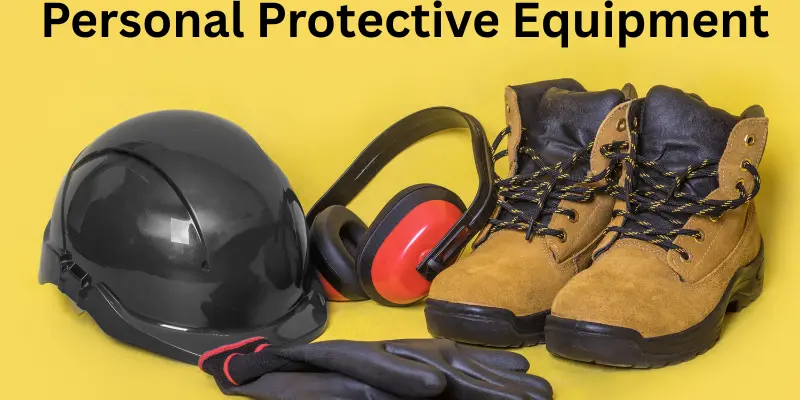
Safety equipment is created to protect different parts of the body from possible dangers. For example, helmets protect the head from falling objects, safety glasses protect the eyes from dust and chemicals, gloves protect hands from cuts and burns, and safety shoes protect feet from heavy impacts. Each product has a specific function and should be selected according to the risk level of the working environment.
BestSafetyEquipments.com focuses on helping users understand the importance of quality safety gear and how proper equipment selection can improve protection. A reliable safety equipment source provides information about product features, usage methods, maintenance requirements, and safety guidelines.
Modern safety equipment is developed using advanced materials and technology to provide better comfort, durability, and protection. Whether someone needs personal protective equipment (PPE) for professional work or basic safety items for home use, choosing dependable products is essential for reducing potential hazards.
Why is BestSafetyEquipments.com Important?
BestSafetyEquipments.com is important because safety equipment protects people from dangerous situations and reduces the chances of accidents. In workplaces where employees deal with heavy machinery, chemicals, electricity, or construction activities, proper protective gear is necessary to maintain a safe environment. Without suitable equipment, even small mistakes can lead to serious injuries.
Safety equipment also helps companies follow workplace safety regulations and maintain professional standards. Employers have a responsibility to provide workers with proper protection, training, and safety awareness. Using high-quality equipment improves employee confidence and increases productivity because workers can perform their tasks without unnecessary fear.
Another important reason is that safety products provide long-term protection and financial benefits. Preventing accidents is usually more affordable than dealing with medical expenses, equipment damage, or work delays caused by injuries. Investing in reliable safety equipment creates a safer and more efficient workplace.
For individuals, safety gear provides personal protection during daily activities. People involved in DIY projects, outdoor activities, repairs, and home maintenance can also benefit from using proper protective equipment. A small investment in safety products can prevent major problems in the future.
Detailed Step-by-Step Guide to Choosing the Best Safety Equipment
Step 1: Identify Safety Requirements
The first step in selecting safety equipment is understanding the specific risks involved. Different environments have different hazards, so users should identify possible dangers before purchasing protective gear.
For example, construction workers may need helmets, safety boots, and high-visibility clothing, while laboratory workers may require chemical-resistant gloves and protective eyewear. Understanding the working environment helps determine the right equipment.
Step 2: Analyze Workplace Hazards
A detailed hazard assessment helps identify potential risks. Users should examine factors such as:
- Falling objects
- Sharp materials
- Chemical exposure
- Electrical hazards
- Extreme temperatures
- Noise levels
- Slippery surfaces
After identifying these hazards, suitable safety equipment can be selected to provide effective protection.
Step 3: Choose Quality Safety Products
Quality is one of the most important factors when purchasing safety equipment. Low-quality products may not provide proper protection and can fail during dangerous situations.
Always choose equipment made from durable materials and designed according to recognized safety standards. Reliable products usually offer better performance, comfort, and longer lifespan.
Step 4: Select the Right Size and Fit
Proper fitting equipment provides better protection and comfort. Safety gear that is too loose or too tight can reduce effectiveness and create additional risks.
Users should check size guides and select products that allow comfortable movement while maintaining proper protection.
Step 5: Check Safety Standards
Safety equipment should meet industry safety standards. Certifications indicate that products have been tested for quality and performance.
Before purchasing, check product details, certifications, and manufacturer information to ensure reliability.
Step 6: Maintain Safety Equipment Regularly
Regular maintenance increases the lifespan of protective equipment. Users should inspect products frequently for damage, wear, or defects.
Cleaning equipment properly and replacing damaged items helps maintain safety levels and prevents unexpected failures.
Step 7: Train Users Properly
Even the best safety equipment cannot provide complete protection without proper usage. Workers and individuals should learn how to wear, maintain, and use protective gear correctly.
Training improves safety awareness and reduces mistakes during dangerous activities.
Benefits of BestSafetyEquipments.com
- Provides protection against workplace accidents and injuries.
- Helps users select suitable safety products for different environments.
- Improves workplace safety and employee confidence.
- Reduces financial losses caused by accidents.
- Supports compliance with safety regulations.
- Increases productivity by creating a secure working environment.
- Provides better comfort through modern safety designs.
- Protects individuals during professional and personal activities.
Disadvantages / Risks of Safety Equipment
- Poor-quality products may fail during dangerous situations.
- Incorrect usage can reduce protection effectiveness.
- Some equipment may become uncomfortable during long working hours.
- Regular replacement and maintenance require additional costs.
- Lack of proper training can create safety problems.
- Wrong equipment selection may not provide suitable protection.
- Damaged safety gear can increase accident risks.
Common Mistakes to Avoid
Many people make mistakes when selecting and using safety equipment. One common mistake is choosing products based only on price. Cheap equipment may not provide the same level of protection as high-quality alternatives.
Another mistake is ignoring proper fitting. Safety gear that does not fit correctly can become uncomfortable and may fail to protect effectively during emergencies.
People also often forget regular inspection and maintenance. Safety equipment should be checked frequently because damaged products may not perform properly when needed.
Using the wrong type of equipment is another major issue. Every workplace has different risks, so selecting protective gear without understanding hazards can create additional dangers.
Finally, some users avoid training and instructions. Proper knowledge about equipment usage is necessary to receive maximum protection and avoid accidents.
FAQs
What is safety equipment?
Safety equipment includes protective tools and products designed to reduce injuries and protect individuals from workplace and environmental hazards. Examples include helmets, gloves, safety glasses, protective clothing, and safety shoes.
Why is safety equipment important?
Safety equipment is important because it helps prevent accidents, reduces injuries, and creates safer working conditions. It protects workers and individuals from different types of hazards.
How do I choose the right safety equipment?
Choose safety equipment based on the environment, possible risks, quality standards, comfort, and proper fitting. Understanding hazards is the first step toward selecting suitable protection.
How often should safety equipment be replaced?
Safety equipment should be replaced when it becomes damaged, worn out, or unable to provide proper protection. Regular inspection helps determine when replacement is necessary.
Can safety equipment completely prevent accidents?
Safety equipment reduces risks but cannot completely eliminate accidents. Proper training, safe working practices, and awareness are also necessary for complete safety.
What are examples of personal protective equipment?
Examples of personal protective equipment include helmets, gloves, safety footwear, face shields, goggles, respirators, protective clothing, and hearing protection devices.
Expert Tips & Bonus Points
Always choose safety equipment according to your specific needs instead of selecting products randomly. Different tasks require different protection levels.
Invest in high-quality equipment because reliable products provide better protection and longer durability. Saving money on poor-quality safety gear can create greater costs later.
Create a regular inspection schedule to identify damaged equipment before it becomes dangerous. Replace worn-out items immediately to maintain safety.
Encourage safety awareness among workers and family members. Education and training are important parts of a complete safety system.
Store safety equipment properly when not in use. Clean, dry, and protected storage areas help maintain product quality and increase lifespan.
Always follow manufacturer instructions for usage, cleaning, and replacement. Proper care ensures equipment continues to perform effectively.
Conclusion
BestSafetyEquipments.com highlights the importance of choosing reliable safety equipment for personal and professional protection. Safety gear is not just an accessory but an essential requirement for preventing injuries and reducing workplace risks. Whether someone works in a high-risk industry or completes simple tasks at home, proper protective equipment provides valuable security.
Choosing the right safety products requires careful consideration of hazards, quality, comfort, safety standards, and maintenance requirements. From protective helmets and gloves to advanced safety solutions, every product plays an important role in creating a safer environment.
Ignoring safety equipment can lead to serious consequences, while investing in reliable protection helps individuals and businesses avoid unnecessary risks. Proper training, regular inspections, and responsible usage further improve the effectiveness of safety products.
A strong safety culture begins with awareness and the right equipment. By understanding the importance of safety gear and making informed choices, people can protect themselves and others from potential dangers. BestSafetyEquipments.com represents the value of quality protection and encourages everyone to prioritize safety in everyday life and professional environments.